


Are Chiropractors Safe?
What the Research Really Says
If you’ve never been to a chiropractor before, you’ve probably wondered about it. You may have watched an adjustment online, heard an enormous crack and thought, are chiropractors safe?
We understand.
The funny thing is that the sound and movement that make chiropractic look dramatic have very little to do with how we actually think about safety. Chiropractic care has been used around the world for well over a century, and research suggests that serious complications associated with chiropractic care are rare, while the reactions that do occur are much more commonly things like temporary soreness or stiffness.
So perhaps chiropractic looks a lot more dramatic than it actually is. Let’s look at why.
How Safe Is Chiropractic?
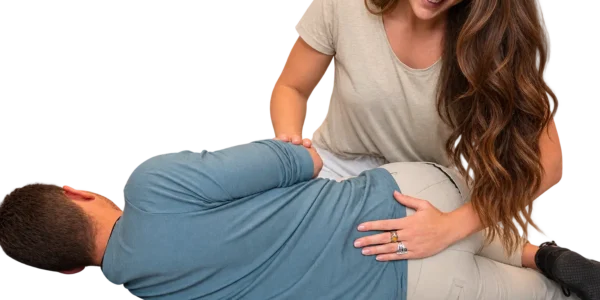
One of the largest misconceptions about chiropractic is that an adjustment is inherently aggressive. In reality, chiropractic includes a huge range of techniques, from traditional manual adjustments to very gentle low-force approaches.
A systematic review by Gouveia, Castanho and Ferreira, published in Spine as Safety of Chiropractic Interventions: A Systematic Review, examined the available evidence on adverse events associated with chiropractic care. The researchers found that the majority of reported reactions were mild and temporary, while serious adverse events appeared to be rare.
That’s much closer to what we see clinically. Someone might occasionally feel a little sore or stiff after an adjustment, particularly when they first start care, but for most people the experience itself is remarkably straightforward. And there is an important reason for that. Chiropractors don’t simply adjust everybody in exactly the same way.
The Adjustment Should Fit the Person
Imagine four people walk into ONE Chiropractic Studio on the same afternoon. One is a 25-year-old CrossFit athlete. One is a 70-year-old grandmother. One is six months pregnant. And one is a six-month-old baby being carried through the door by their mother.
Would it make any sense to adjust all four of them in exactly the same way? Of course not.
The amount of force, the technique, the position and even whether an adjustment is appropriate in the first place depend on the person in front of us. That is an important part of chiropractic safety that you don’t see in a 15-second Instagram video. The adjustment itself may only take a few seconds, but deciding what kind of adjustment is appropriate comes from the history, examination, experience and clinical judgement that happen beforehand. At ONE, we have a simple philosophy around this.The patient doesn’t fit the technique. The technique fits the patient.
Why Does a Chiropractic Adjustment Make That Cracking Sound?
This is probably the part that makes chiropractic look scarier than it is. That familiar popping sound isn’t your bones cracking or grinding together. It is generally associated with pressure changes occurring within the joint during a quick movement. And despite what social media might have you believe, a louder crack doesn’t mean a better adjustment.
Some excellent adjustments make very little noise at all. Some chiropractic techniques deliberately use very little force and may produce no audible sound whatsoever. We’re interested in improving the way your spine and body are functioning… we’re not trying to break the sound barrier.

Are Neck Adjustments Safe?
This is usually the question hiding behind the question “are chiropractors safe?” People aren’t normally worried about having their lower back adjusted. They’re worried about their neck. And much of that fear comes from headlines over the years suggesting that chiropractic neck adjustments cause strokes. When researchers actually investigated that relationship, however, they discovered something very interesting.
A major population study by Cassidy and colleagues, titled Risk of Vertebrobasilar Stroke and Chiropractic Care: Results of a Population-Based Case-Control and Case-Crossover Study, examined healthcare records in Ontario, Canada.
Researchers found an association between this rare type of stroke and visits to chiropractors in younger people. But they found a similar association with visits to medical doctors.
Why?
The researchers concluded that people experiencing an arterial problem were likely developing headache and neck pain from the condition itself and were therefore seeking healthcare. Some went to their doctor. Others went to their chiropractor.
In other words, in these cases the neck pain may have been one of the first symptoms of the problem rather than something created by the chiropractor. That distinction changed the way this relationship was understood and is one reason the Cassidy study remains such an important piece of chiropractic safety research.
So Can You Safely Have Your Neck Adjusted?
For appropriately selected patients, cervical chiropractic adjustments are generally well tolerated. As with any healthcare procedure, however, the chiropractor first needs to understand who they are treating and why that person is experiencing symptoms.
This is one of the reasons we don’t believe chiropractic should simply be about putting somebody on a table and cracking their neck. Your history, examination, age, health and symptoms all influence what we decide to do.
Sometimes that means a traditional adjustment. Sometimes it means a gentler technique, and occasionally it means deciding that chiropractic isn’t what somebody needs that day. It’s simply good healthcare. Sometimes physiotherapy is a better fit instead. Not sure whether you need a physio or chiropractor? We can help you decide.
Chiropractic Safety Is About More Than the Adjustment
When people talk about a “safe chiropractor”, they often imagine somebody who performs an adjustment very carefully. But safety actually begins much earlier than that.
A good chiropractor wants to understand what’s happening before deciding what to do about it. We want to know how the problem started, how your posture and body is moving, what makes your symptoms better or worse and whether anything doesn’t fit the pattern we’d expect, such as scoliosis, a herniated disc or sciatica.
That examination allows us to choose the most appropriate approach for the individual, sometimes including complementary therapies such as lymphatic drainage or cupping therapy. After more than 250,000 patient visits across ONE Chiropractic Studios, we still think one of the most important principles in chiropractic is remarkably simple: know who you’re adjusting. The person comes first. The adjustment comes second.

Is Chiropractic Safe for Children?
This is another subject where the internet can make something look far more dramatic than it is. A pediatric chiropractic adjustment shouldn’t look like an adult chiropractic adjustment because a child isn’t a small adult. Techniques should be modified for the child’s age, size and stage of development.
With babies, the difference can be enormous. Pediatric chiropractic techniques can involve very gentle contacts and controlled movements using substantially less force than you might associate with a traditional adult adjustment.
So when someone asks us “is chiropractic safe for babies?”, understanding what pediatric chiropractic actually looks like is an important place to start.
What Does the Research Say About Chiropractic for Babies?
One particularly interesting study was conducted by Joyce Miller and Kate Benfield and published in the Journal of Manipulative and Physiological Therapeutics.
Their research, Adverse Effects of Spinal Manipulative Therapy in Children Younger Than 3 Years: A Retrospective Study in a Chiropractic Teaching Clinic, looked at 781 children under three years old.
Of those children, 697 received chiropractic care, accounting for 5,242 treatments.
Only seven parents reported an adverse reaction. That works out at approximately one reported reaction for every 749 treatments, and the researchers reported no serious complications requiring hospital care among the children studied.
That puts pediatric chiropractic safety into a much more useful perspective than watching an isolated video online. It also reinforces something we strongly believe at ONE: when you’re working with babies and children, the examination and technique should be appropriate for the little person lying in front of you.
Is Chiropractic Safe During Pregnancy?
Pregnancy is another situation where chiropractic care can be adapted significantly. As the baby grows, the mother’s centre of gravity changes and the mechanical demands placed on the lower back and pelvis change with it. Positions that were perfectly comfortable six months earlier may suddenly make no sense.
Chiropractors experienced in pregnancy care can therefore modify positioning, use pregnancy pillows and change the type of adjustment according to the individual and their stage of pregnancy. Again, it comes back to the same principle.
There isn’t one chiropractic adjustment.
There are many ways of working with the spine, and good chiropractors adapt those techniques to the person receiving them. The same principle applies after birth, where postnatal physiotherapy can support recovery.
Is It Normal to Feel Sore After Seeing a Chiropractor?
It can happen. Chiropractic is a physiological change after all. If you haven’t exercised for six months and suddenly play two hours of tennis, there’s a reasonable chance you’ll feel your body the next morning. Occasionally people experience something similar when they first start chiropractic care.
Temporary soreness or stiffness are among the most commonly reported reactions following spinal manipulation. They are generally mild and short-lived. If something doesn’t feel right, though, tell us. We would always rather know.
But Surely Everything in Healthcare Has Some Risk?
Exactly.
We sometimes have a strange relationship with risk. People will play football, ski down a mountain, take medication, drive a car and lift weights without expecting any of those activities to carry literally zero risk. Yet when discussing a healthcare intervention, we sometimes suddenly expect an absolute guarantee.
Healthcare doesn’t work that way. The sensible question isn’t “Can anyone prove that nothing could ever happen?” It’s “What does the evidence tell us about the level of risk?” For chiropractic, the evidence suggests that the most commonly reported reactions are mild and temporary and that serious adverse events are rare. That’s a very different picture from the one you might get from reading sensational headlines online.
Why Does Chiropractic Sometimes Look Dangerous Online?
Because boring videos don’t go viral. Nobody shares a video titled “Man Has Completely Normal Chiropractic Appointment and Goes Back to Work.”
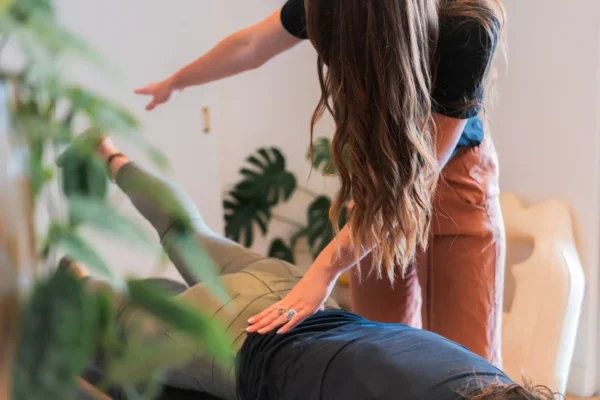
A dramatic adjustment with a loud crack gets millions of views. A sensational headline gets clicks. An ordinary day in a chiropractic clinic doesn’t. That creates a distorted picture of what chiropractic actually looks like.
Most chiropractic appointments aren’t dramatic at all… You talk. You’re examined. Your chiropractor decides what is appropriate. You receive care. You get up and continue with your day.
Not quite as exciting for TikTok but unfortunately much more representative of reality.
Are Chiropractors Safe? Here's How We Look at It
So, are chiropractors safe?
The research paints a reassuring picture. The most commonly reported reactions to chiropractic adjustments are mild and temporary, while serious adverse events appear to be rare. But we think there is another reason chiropractic has such a strong safety profile.
Good chiropractors adapt. That’s why you study 5+ years to be a chiropractor.
We don’t adjust a baby like an adult. We don’t adjust an elderly patient like a professional athlete. We don’t treat a pregnant woman exactly the same way we treated her before pregnancy.
And we don’t adjust somebody simply because they walked through the door of a chiropractic clinic. We look at the person first.
Choosing a Safe Chiropractor in Dubai
If you’re searching for a safe chiropractor in Dubai, look beyond the adjustment itself. Look at their qualifications and experience. Look at whether they actually examine you. Ask whether they use different chiropractic techniques and whether they modify their approach for different patients.
Most importantly, find someone who wants to understand why you’re there rather than simply where you want them to crack. At ONE Chiropractic Studio in JLT, that’s how we’ve always approached chiropractic.
We assess.
We understand.
Then we adjust when appropriate. Once you understand what’s actually happening, it’s usually quite the opposite. We regularly welcome patients travelling from Sharjah too.
Get in Touch With Us

Max Gregor
Chiropractor, Co-Founder & Director ONE Chiropractic
Max Gregor is a passionate chiropractor and the co-founder of One Chiropractic Studio, and for over the last decade has been dedicated to helping people live healthier, pain-free lives through accessible, effective care.
Chiropractor Dubai

Charlotte H
Chiropractor
Dr. Charlotte DC is a caring dubai chiropractor from New Zealand with a special focus on paediatric and family chiropractic care. She is passionate about helping patients of all ages move and feel their best.
Chiropractor Dubai
Location ONE Chiropractic Dubai
Based in JLT, we also welcome patients from across Dubai Marina. Wondering about cost? Visit our chiropractor Dubai price page for more information.
Monday 08:00 – 20:00
Tuesday 08:00 – 20:00
Wednesday 08:00 – 20:00
Thursday 08:00 – 20:00
Friday 08:00 – 20:00
Saturday 8:00 – 16:00
Frequently Asked Questions About Scoliosis
Are chiropractors safe?
Research suggests chiropractic care has a strong safety profile when appropriately performed. The most commonly reported reactions following chiropractic adjustments are temporary soreness, stiffness or discomfort, while serious adverse events appear to be rare.
Are chiropractic adjustments safe?
Chiropractic adjustments are generally well tolerated when used appropriately. Chiropractors can also modify their technique and the amount of force used according to the patient’s age, health, presentation and individual needs.
Are chiropractic neck adjustments safe?
For appropriately selected patients, cervical adjustments are generally well tolerated. Large population research has also suggested that the historical association between chiropractic visits and certain rare strokes may partly be explained by people already experiencing an arterial problem seeking care for the headache or neck pain it produces.
Does having your neck cracked cause a stroke?
The relationship is much more complicated than this statement suggests. The large Cassidy population study found a similar association between this rare type of stroke and visits to both chiropractors and primary-care doctors, with researchers concluding that patients were likely seeking healthcare for symptoms of an arterial problem already in progress.
Is chiropractic safe for babies?
Pediatric chiropractic uses techniques modified for a baby’s age, size and development. In one study involving 5,242 chiropractic treatments in children under three, seven parent-reported adverse reactions occurred and no serious complications requiring hospital care were reported among the children studied.
Is chiropractic safe for children?
Chiropractic care for children should use age-appropriate assessment and techniques. Pediatric chiropractors can considerably modify the amount of force and type of adjustment compared with those commonly used with adults.
Do chiropractors crack babies' backs?
The phrase “cracking a baby’s back” gives a very misleading impression of pediatric chiropractic. Techniques used with babies can involve extremely gentle contacts and small controlled movements rather than the traditional manual adjustments commonly associated with adult chiropractic.
Is chiropractic safe during pregnancy?
Chiropractic techniques can be modified considerably during pregnancy. Different positioning, pregnancy pillows and alternative adjustment techniques can be used according to the individual patient and their stage of pregnancy.
How do I find a safe chiropractor in Dubai?
Look for a properly qualified and licensed chiropractor who takes a detailed history, examines you before recommending care and adapts their technique to the individual. A good chiropractor should be able to explain what they’re doing, why they’re doing it and what they hope to achieve.
Is soreness after a chiropractic adjustment normal?
Mild temporary soreness or stiffness can occur after an adjustment, particularly when someone is new to chiropractic care. If you experience something unusual or are concerned about how you feel afterwards, speak with your chiropractor.
Research & References
Gouveia LO, Castanho P, Ferreira JJ. Safety of Chiropractic Interventions: A Systematic Review. Spine.2009;34(11):E405–E413. DOI: 10.1097/BRS.0b013e3181a16d63.
Cassidy JD, Boyle E, Côté P, et al. Risk of Vertebrobasilar Stroke and Chiropractic Care: Results of a Population-Based Case-Control and Case-Crossover Study. European Spine Journal. 2008;17(Suppl 1):176–183. DOI: 10.1007/s00586-008-0634-9.
Miller JE, Benfield K. Adverse Effects of Spinal Manipulative Therapy in Children Younger Than 3 Years: A Retrospective Study in a Chiropractic Teaching Clinic. Journal of Manipulative and Physiological Therapeutics.2008;31(6):419–423. DOI: 10.1016/j.jmpt.2008.06.002.
Reviews

“The best place for Chiropractic adjustments here in Dubai. Everyone is so sweet and helpful. They have helped me fix my issues in my neck and shoulder areas, and it has greatly improved my health.
If you have an issue with posture, mobility, or even stress and anxiety related issues, you should definitely give One Chiropractic Studio a visit. The entire experience really helped make lifestyle changes for the better.”

“What amazing Chiropractic adjustments and services we are receiving at One Chiropractic Studio! Max and charlotte are excellent vitalistic Chiropractors. We feel so much better, our health and nervous systems are improving after every adjustments. We did physiotherapy sessions with Fayrouz and loved her work. Absolutely recommended. Chaima is the lovely receptionist. Speaks a lot of languages including French! Thank you to all the team for you commitment to helping more people healing!”