
A Regulated Nervous System in Children: A Guide for Parents
A regulated nervous system in children refers to the ability to move between alertness and calm, rather than staying in a constant state of stress. This may be noticed when a child falls asleep, settles after strong emotions or returns to calm after a difficult moment. Regulation is a way of understanding behaviour, not a medical diagnosis. For clinical concerns about sleep, behaviour or development, a pediatrician should always be consulted first.
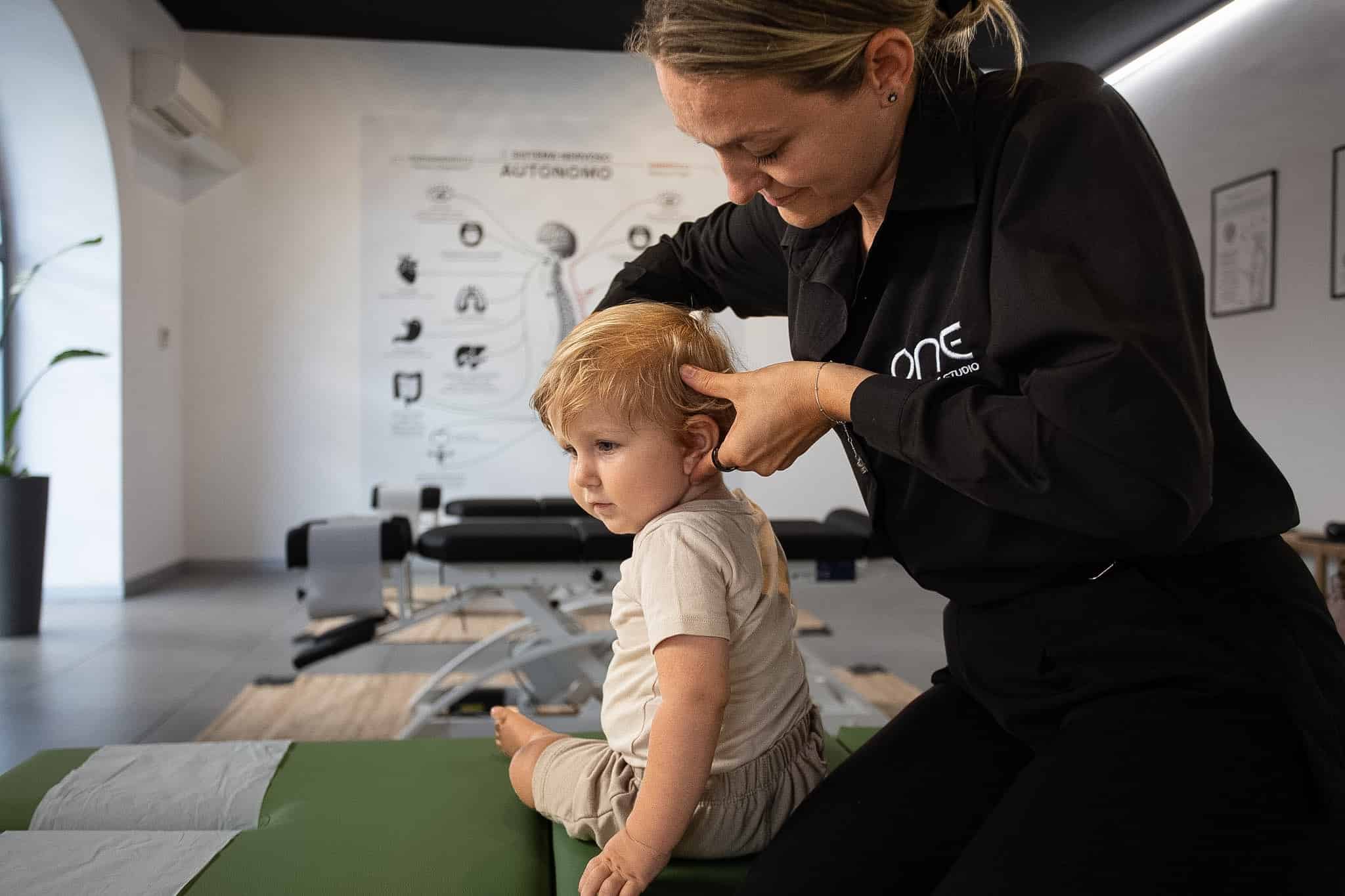
This guide is for parents living in Varese, the surrounding province and nearby Ticino who want to understand possible connections between spinal movement, sleep and behaviour. It is written by clinic chiropractor Melanie Kleinhans. The guide covers what nervous-system regulation means, the autonomic nervous system, possible relationships between the spine, sleep and behaviour, the scope of chiropractic care, practical steps for parents, key takeaways and common questions. On this page: What Does a Regulated Nervous System Mean for Children? · How Does a Child’s Autonomic Nervous System Work? · Is There a Connection Between the Spine, Sleep and Behaviour? · What Does Chiropractic Care Have to Do With a Child’s Nervous System? · What Can Parents Do to Support Regulation in Childhood? · At a Glance · Frequently Asked Questions From Parents.
What Does a Regulated Nervous System Mean for Children?
The nervous system receives and interprets signals, helping the body decide when to become alert and when to settle. A regulated nervous system can move between those states without remaining stuck in either one. Children naturally become excited or upset, but over time learn to settle, fall asleep and recover after stressful situations. Difficulty settling can have many causes, however. Sleep problems, tantrums and hyperactivity may be related to development, diet, stimulation and many other factors. Nervous-system regulation is one possible way to understand these behaviours, never a diagnosis by itself.
How Does a Child’s Autonomic Nervous System Work?
The autonomic nervous system works without conscious effort, helping regulate heart rate, breathing, digestion and stress responses. It has two broad modes: the sympathetic system supports alertness and action, while the parasympathetic system helps with rest and digestion. Children develop the ability to move between these states over their early years. A newborn may switch rapidly from crying to sleeping and may find calming down difficult. Self-regulation matures over time and through relationships with caregivers; it cannot simply be switched on. Every child develops at their own pace. A caregiver’s role is not to force calm but to offer a predictable, supportive environment where the child can practise settling and adapting.
Is There a Connection Between the Spine, Sleep and Behaviour?
The spine protects the spinal cord, which carries signals between the brain and body. One hypothesis being studied is whether restricted movement in some spinal joints can affect aspects of sensory input or function. This is a hypothesis about movement, not a clinical diagnosis or proven explanation for sleep and behaviour. Some parents report changes in calmness or sleep after care directed at spinal mobility, but these are observations, not reliable evidence of cause and effect. For related discussions, see our resources on possible signs of difficulty with regulation and on spinal movement and childhood neurological development.
What Does Chiropractic Care Have to Do With a Child’s Nervous System?
Pediatric chiropractic does not aim to cure a disease or claim to control nervous-system regulation. It considers how the spine moves and how a child is functioning. At our Varese clinic, care begins with understanding the child’s history, sleep, movement and responses, rather than immediately performing an adjustment. Touch is very light, sometimes no more than gentle fingertip pressure. We do not promise that chiropractic care can regulate the nervous system, because the evidence does not justify that claim. Our approach is to assess movement and observe the child’s comfort alongside the family. Read our pediatric chiropractic guide for more about the process. Pediatric assessment remains the first step whenever there is a clinical concern. Related links: Pediatric Chiropractic in Varese: A Parent’s Guide.
What Can Parents Do to Support Regulation in Childhood?
Children develop self-regulation mostly through everyday relationships at home, not through appointments. Co-regulation is an important concept: a child learns to settle with the support of a calm caregiver. Predictable sleep routines, fewer screens before bedtime, outdoor play and regular movement can help create a supportive environment. We discuss practical parent-child activities in our related co-regulation guide. Families in Varese and Ticino may want an integrated approach: their pediatrician deals with medical and developmental concerns, while a chiropractor may assess posture and movement where appropriate. Those roles are different and can complement each other.
Would You Like to Discuss This in Person?
If you would like a gentle, unhurried assessment of your child’s movement and posture, you can arrange an initial consultation at the Varese clinic. Book an assessment in Varese. Related links: Book an appointment.
At a Glance
• A regulated nervous system describes a child’s ability to move between alertness and calm. It is a descriptive concept, not a diagnosis.
• The autonomic nervous system has alertness and rest functions that continue developing throughout early childhood.
• A possible relationship between spinal movement, sleep and behaviour remains a research question. Existing observations do not prove that spinal treatment changes regulation.
• Sleep difficulties, tantrums and high activity levels have many possible causes. The pediatrician should be consulted first. Chiropractic care does not promise to regulate a child’s nervous system.
Frequently Asked Questions From Parents
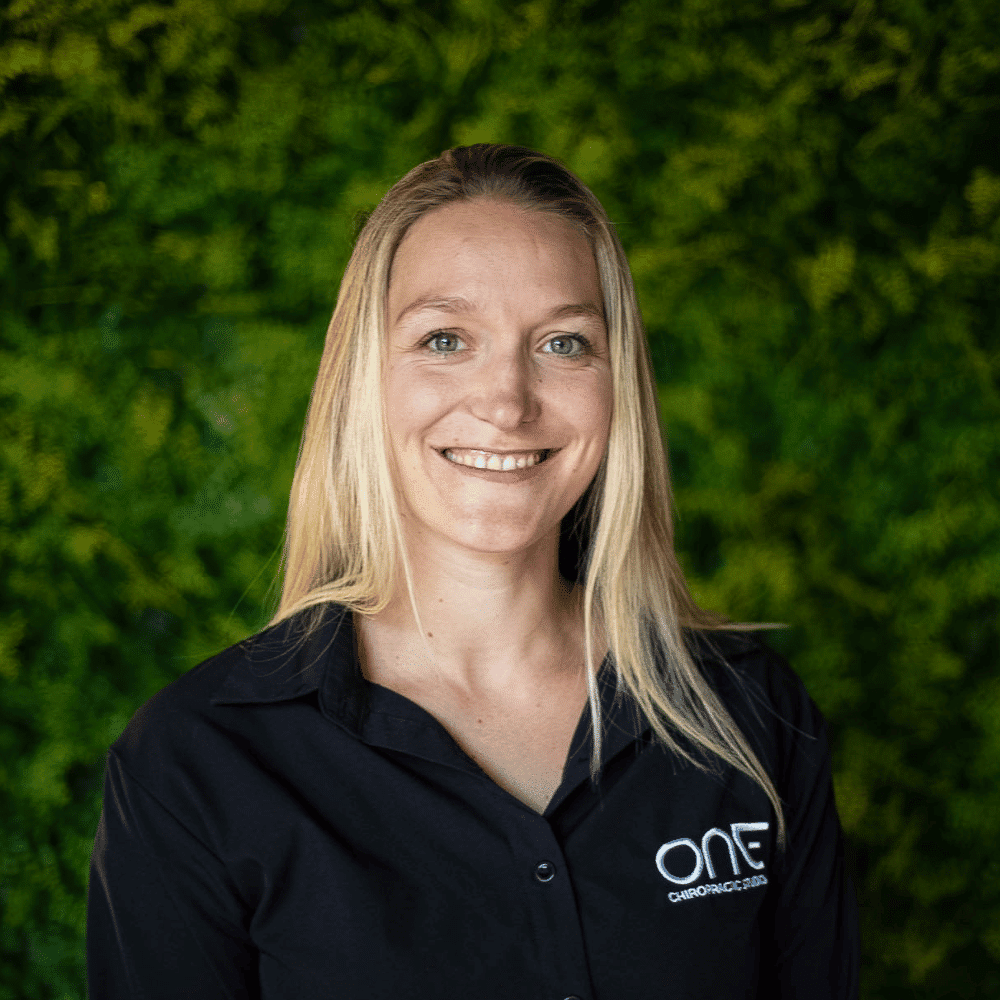
Written by Melanie Kleinhans
Doctor of Chiropractic · AIC Member · Bachelor of Chiropractic, New Zealand College of Chiropractic (2018). Melanie Kleinhans practises at ONE Chiropractic Studio Varese. She graduated from the New Zealand College of Chiropractic in 2018 and belongs to the Italian Chiropractors Association (AIC). She works with children, expectant mothers and families in Varese and neighbouring Ticino, using a calm, relationship-focused approach. Meet the Varese team on the linked page. Last updated: 14 July 2026. This article is for information only and does not replace advice from a pediatrician or medical doctor. Consult your child’s pediatrician first for clinical symptoms or conditions. Related links: Meet the Varese Chiropractic Team.
ONE Chiropractic Studio Varese · Via Maria Virginia Staurenghi 36, 21100 Varese (VA) · +39 344 6313253 · [email protected] · Parking nearby at Autosilo Sempione · Instagram · Back to the Varese chiropractor page Related links: Call the clinic · Email the clinic · Instagram · ONE Chiropractic Studio Varese.
Hours: Monday–Thursday 08:30–19:00 · Find us on Google Related links: Find us on Google.